Stretch marks are one of the most common skin concerns worldwide, affecting both men and women of all ages. While many believe they are caused solely by rapid weight gain or stretching of the skin, the underlying mechanisms are much more complex. One of the key factors in both the prevention and treatment of stretch marks is the role of skin growth factors, which regulate how our skin regenerates and repairs itself.
Understanding Skin Growth Factors
Skin growth factors are naturally occurring proteins in the body that guide the growth, repair, and regeneration of skin tissue. They influence collagen synthesis, elastin formation, and cellular signaling within the dermis. However, not all growth factors act in the same way, and their effects can either support healthy skin regeneration or contribute to scar tissue formation.
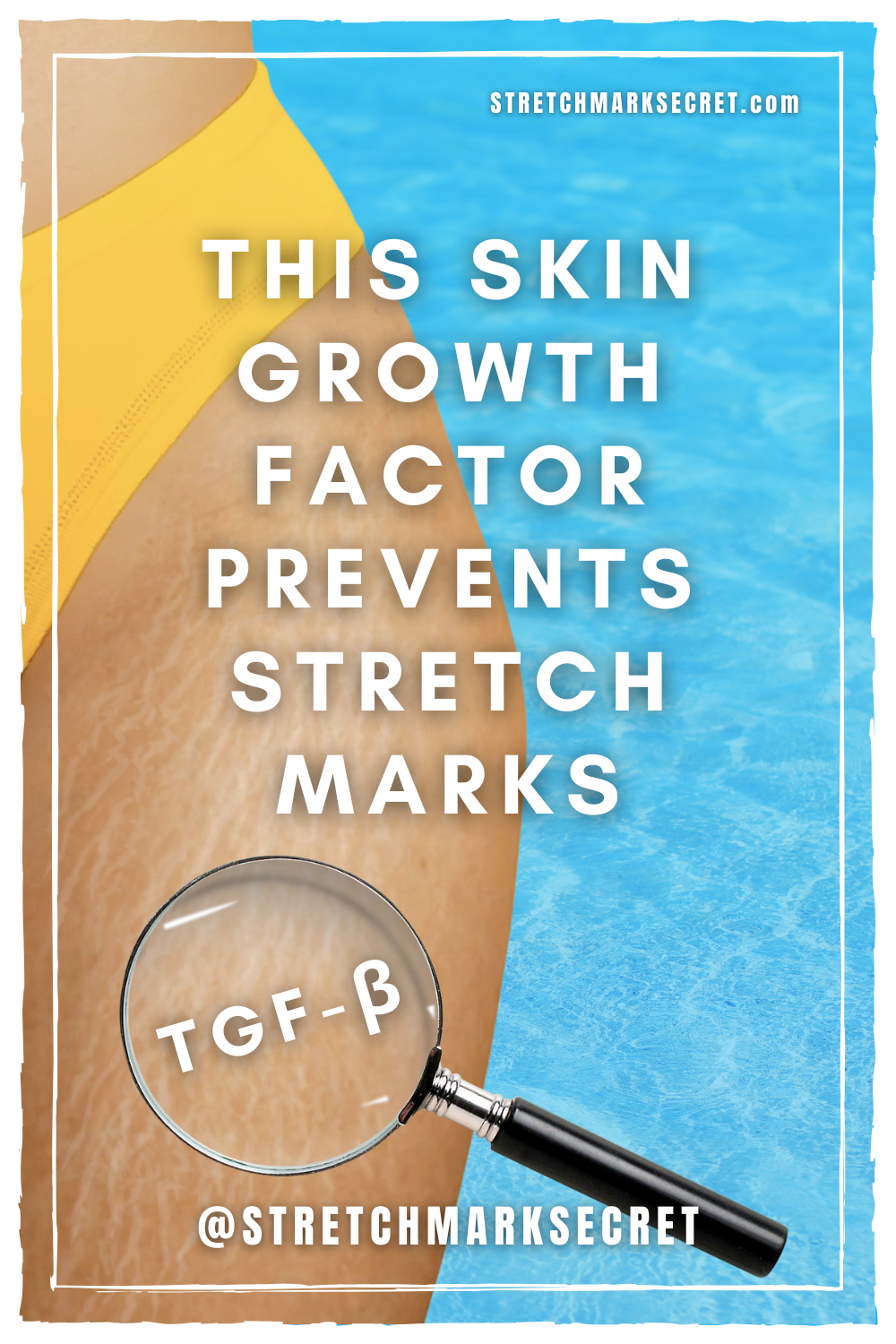
Two of the most important growth factors in the context of stretch marks are the transforming growth factor-beta proteins, commonly abbreviated as TGF-beta. There are three main types relevant to skin health:
- TGF-β1
- TGF-β2
- TGF-β3
Each of these plays a unique role in how our skin heals and regenerates.
TGF-β1 and TGF-β2: Adult Healing Growth Factors
TGF-β1 and TGF-β2 are often referred to as adult healing growth factors. When your skin is injured, these proteins help close wounds efficiently. They are effective at repairing tissue with minimal nutrient usage, which is why they are the body’s default healing mechanism.
However, there is a major downside to these growth factors. Both TGF-β1 and TGF-β2 are pro-inflammatory. They stimulate the release of cortisol, a catabolic hormone responsible for breaking down connective tissue. This breakdown of collagen and elastin in the skin is a central factor in the formation of stretch marks. Scar tissue is frequently formed during the repair process mediated by TGF-β1 and TGF-β2, which is why adult wound healing often leaves visible scars on the skin.
Excessive activation of TGF-β1 and TGF-β2, whether through inflammation, nutrient deficiencies, or hormonal imbalances, can therefore create the ideal environment for stretch marks to develop, particularly in areas where the skin is already under metabolic stress.
TGF-β3: The Embryonic Growth Factor
TGF-β3 operates differently from its adult counterparts. It is an embryonic growth factor, meaning it is primarily active during fetal development. Unlike TGF-β1 and TGF-β2, TGF-β3 is anti-inflammatory and supports scarless wound healing.
During development, TGF-β3 facilitates the closure of several anatomical structures, such as the palate, upper lip, and male genitelia. The natural seams left behind from these closures, such as the raphes on the scrotum and penis or the line on the top of the palate, are remnants of TGF-β3’s activity. Babies who lack sufficient TGF-β3 may be born with cleft lips or cleft palates, demonstrating the importance of this growth factor in perfect tissue regeneration.
The unique properties of TGF-β3 make it particularly interesting for preventing and reversing stretch marks. Unlike adult healing growth factors that prioritize rapid closure and nutrient efficiency, TGF-β3 promotes regeneration without forming scar tissue, allowing the skin to heal in a more flawless and natural manner.
Can Adults Produce TGF-β3?
Research has shown that it is possible for adults to induce the production of TGF-β3 in the skin. This opens the door to regenerative strategies that can potentially reverse the appearance of stretch marks and restore skin to a smoother, more uniform state.
The key to activating TGF-β3 lies in creating the right internal and external conditions for the skin. First, systemic inflammation must be minimized. Chronic inflammation triggers TGF-β1 and TGF-β2 pathways instead of TGF-β3, resulting in scar tissue rather than regeneration.
Second, nutrient status is critical. Adequate intake of protein, vitamins, and minerals provides the building blocks required for collagen and elastin synthesis. Nutrients such as vitamin C, zinc, and sulfur-containing amino acids play vital roles in tissue repair and fibroblast function.
Finally, the right topical and internal interventions can signal the skin to favor TGF-β3 over the adult growth factors. These interventions often include collagen-boosting nutrients, antioxidant support, and targeted treatments that optimize cellular signaling in the dermis.
Holistic Approaches to Activate TGF-β3
A holistic approach to preventing and treating stretch marks involves combining lifestyle, nutrition, and topical care. Optimizing hormone balance is crucial because hormones such as cortisol and insulin directly influence fibroblast activity and the formation of scar tissue. Reducing stress, maintaining balanced blood sugar levels, and ensuring adequate sleep all contribute to creating an environment conducive to TGF-β3 activity.
Nutrition also plays a central role. Consuming collagen-rich foods, glycine, and micronutrients supports connective tissue health and prepares the skin to respond optimally to TGF-β3 signaling. Avoiding inflammatory foods and excess sugar helps reduce the catabolic processes that favor scar-forming growth factors.
Topical treatments that stimulate collagen and elastin production while reducing inflammation can further enhance TGF-β3 activity. Studies have demonstrated that certain bioactive compounds, such as those found in colostrum, growth factor creams, and plant-based antioxidants, can positively influence skin healing pathways and promote scarless regeneration.
Why Understanding Growth Factors Matters
Understanding the differences between TGF-β1, TGF-β2, and TGF-β3 is crucial for anyone looking to prevent or reduce stretch marks. Red stretch marks indicate ongoing catabolic activity and the dominance of pro-inflammatory growth factors, while mature white or dark stretch marks indicate past deficiencies in nutrients and impaired skin regeneration.
Targeting TGF-β3 allows the skin to regenerate more effectively and with fewer visible marks. This approach shifts the focus from simply trying to cover or mask stretch marks to promoting genuine skin health and tissue regeneration.
Conclusion
Skin growth factors play a pivotal role in stretch mark formation and prevention. TGF-β1 and TGF-β2 are necessary for adult wound healing but are associated with inflammation and scar tissue. TGF-β3, on the other hand, promotes scarless skin regeneration and offers a path to flawless skin.
By understanding these mechanisms and providing the body with the right nutrients, lifestyle support, and topical interventions, it is possible to minimize the formation of stretch marks and potentially reverse existing ones. A holistic, nutrient-rich approach that supports TGF-β3 activation is the cornerstone of preventing and treating stretch marks effectively.
For more in-depth information on the true causes of stretch marks, you can download a free preview chapter of The Stretch Mark Secret program by clicking the link below.